Table of Contents
That dimpled appearance on thighs or buttocks seems to have appeared overnight. Diet is healthy, workouts happen regularly, weight is stable, yet those ripples persist. Cellulite affects roughly 90% of women at some point, regardless of size, fitness level, or age, which is why many people eventually start researching cellulite treatment options.
The frustration comes from not understanding why it happens or what can actually be done about it. Creams promise miracles, workouts claim to eliminate it, and myths about causes create confusion. Understanding the actual science behind cellulite formation explains why it’s so common, why it’s not about weight or fitness, and most importantly, why certain treatments work while others don’t.
At inSPAration Aesthetics & Wellness, addressing cellulite starts with education about what’s actually happening beneath the skin. Understanding what causes cellulite can help separate common myths from the science-backed facts behind this condition. Here’s the real science behind those dimples and what modern treatments can do about them.
The Real Reason Cellulite Happens (It’s Not Just “Fat”)
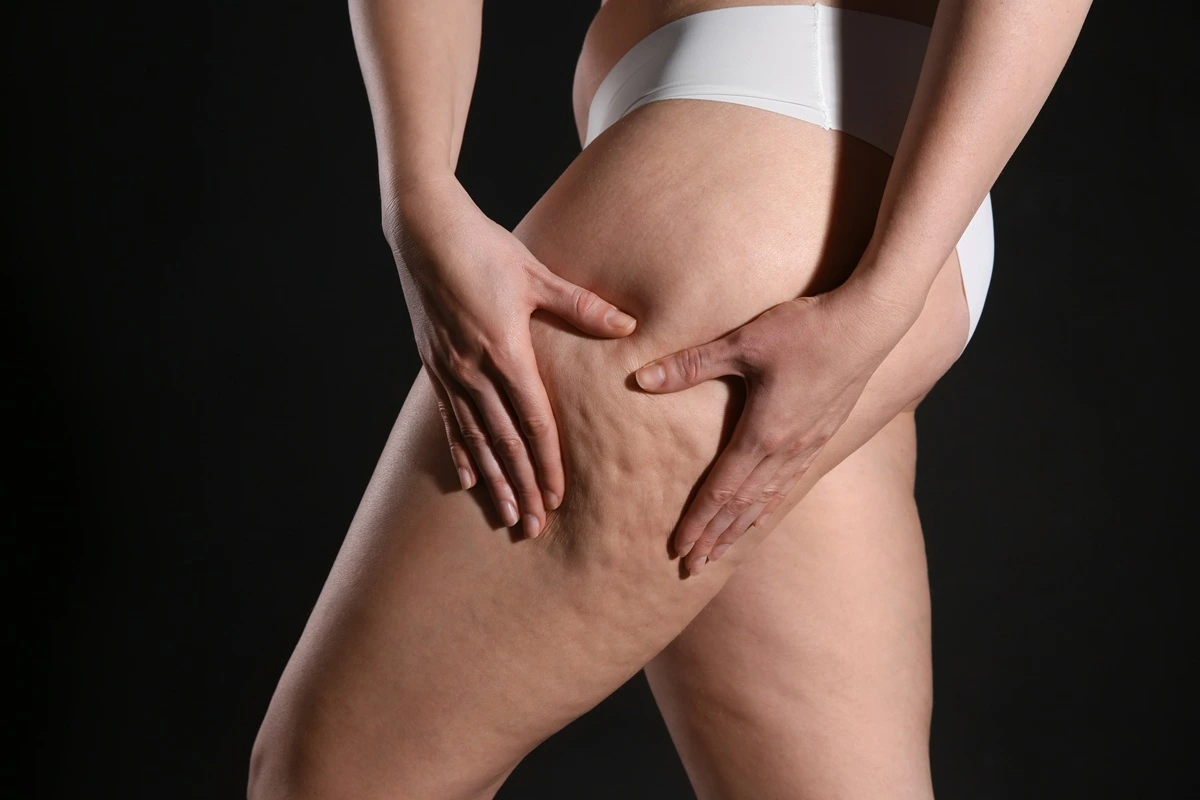
Cellulite forms when fat pushes upward against the skin while fibrous connective bands pull downward. This creates the uneven surface that looks like dimples, ripples, or cottage cheese texture.
The key point is this: cellulite is a relationship between fat, connective tissue, and skin structure. It is not simply “extra fat.” In fact, people of many body types experience cellulite, including those who are lean and athletic.
Most cellulite appears in areas where the body naturally stores fat, such as:
- Thighs
- Buttocks
- Hips
- Abdomen
- Upper arms
This is why thigh and butt cellulite treatment are among the most common reasons people seek professional care.
What’s Happening Under the Skin
To understand cellulite, it helps to picture the layers beneath the surface.
Under your skin, there is a layer of fat separated into small compartments by fibrous connective tissue. These bands, also called septa, run vertically between the skin and deeper structures. When fat cells expand or when connective tissue tightens, the surface becomes uneven.
Cellulite becomes more visible when:
- The fibrous bands are thick or tight
- The fat layer pushes upward
- The skin becomes thinner or loses elasticity
This is why cellulite often increases with age, even if your weight stays the same. These structural changes are among the primary causes of cellulite, especially as skin quality evolves over time.
Why Women Get Cellulite More Often
Cellulite is much more common in women because of how connective tissue is structured. In women, the connective bands tend to run in a pattern that makes dimpling more likely.
Hormones also play a major role. Estrogen influences fat storage, circulation, and collagen production. When estrogen levels shift over time, the skin can become thinner, and connective tissue can lose flexibility.
This is also why cellulite may become more noticeable during:
- Puberty
- Pregnancy
- Perimenopause
- Menopause
The Hidden Contributors That Make Cellulite Worse
Even though cellulite is structural, several factors can make it look more noticeable.
Genetics
Genetics influence where you store fat, how thick your skin is, and how strong your connective tissue is. Some people are simply more prone to cellulite regardless of lifestyle.
Collagen and Skin Elasticity
As collagen levels decline with age, the skin becomes less firm. When the surface is thinner, dimpling shows through more easily.
Circulation and Fluid Retention
Poor circulation can affect how tissue behaves, especially in the thighs and buttocks. Fluid retention can also temporarily exaggerate the appearance of cellulite.
Muscle Tone
Low muscle tone does not cause cellulite, but it can make the area look softer overall. When muscle is firmer underneath, the skin may appear smoother. For those wondering what causes cellulite to become more noticeable, reduced muscle tone can contribute to its appearance even though it is not the root cause.
Benefits of Cellulite Treatment That Actually Matter
Professional cellulite care offers practical, realistic improvements that go beyond surface creams and temporary fixes.
Smoother texture without surgery: Cellulite treatment helps reduce visible dimpling and improve skin texture without anesthesia, incisions, or surgical downtime.
Better skin firmness over time: Treatments like radiofrequency cellulite therapy stimulate collagen production, which gradually improves skin tightness and resilience.
Visible improvement in common trouble areas: Non-surgical approaches can target thigh cellulite reduction, butt cellulite treatment, and stomach cellulite removal for more balanced, even-looking results.
Minimal downtime, real-life convenience: Most sessions are quick and allow you to return to normal activities immediately, making them easy to fit into busy schedules.
A confidence boost that feels personal: Even moderate smoothing can help you feel more comfortable in fitted clothing, swimwear, and everyday movement.
Who Is This Best For?
Cellulite treatment in Old Bridge, NJ is often ideal for:
- Adults at or near their target weight who want smoother texture
- People with visible dimpling on thighs, buttocks, hips, or abdomen
- Individuals who want non-surgical improvement with minimal disruption
- Patients noticing more cellulite with age, hormone changes, or skin thinning
- Those who want gradual results that look natural, not dramatic
These treatments are not designed for weight loss. They are designed for texture improvement.
If you are unsure whether you are a good candidate, a consultation at inSPAration Aesthetics & Wellness helps confirm the best approach based on your skin quality and goals.
What to Expect (Process, Timeline, Results)
Pre-Treatment Prep
Preparation is usually simple. Most providers recommend staying hydrated and avoiding lotion or oil on the treatment area right before your appointment. During your consultation, your provider will assess the area and discuss which method makes the most sense for your cellulite pattern and skin tone. They may also explain the various causes of cellulite that contribute to your specific concerns.
Treatment Day
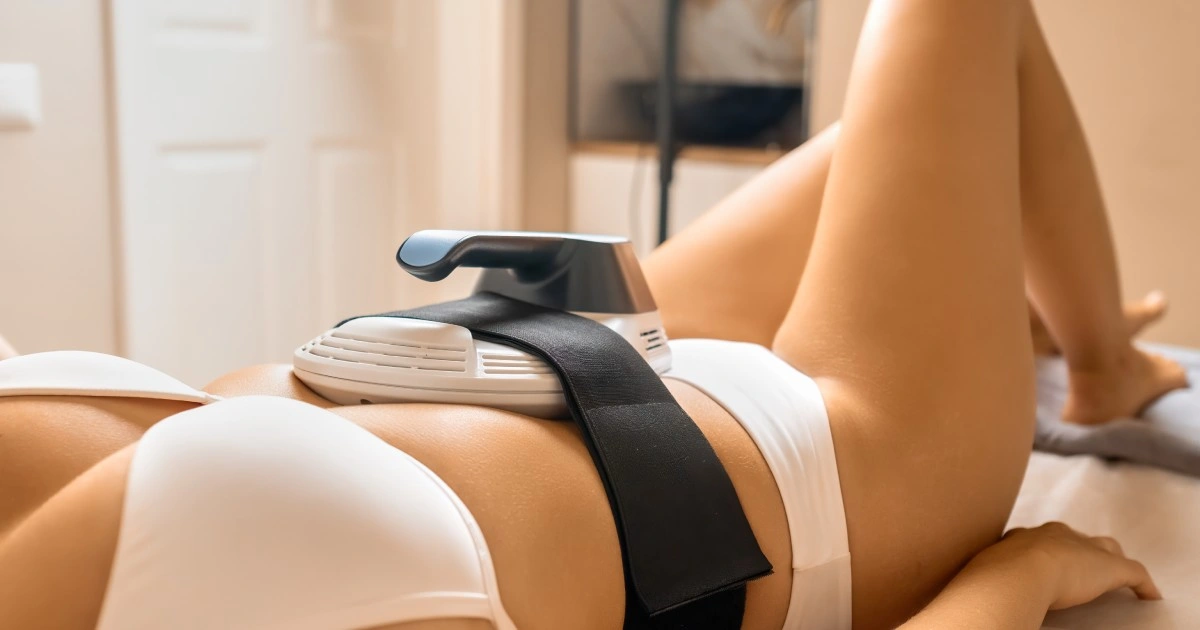
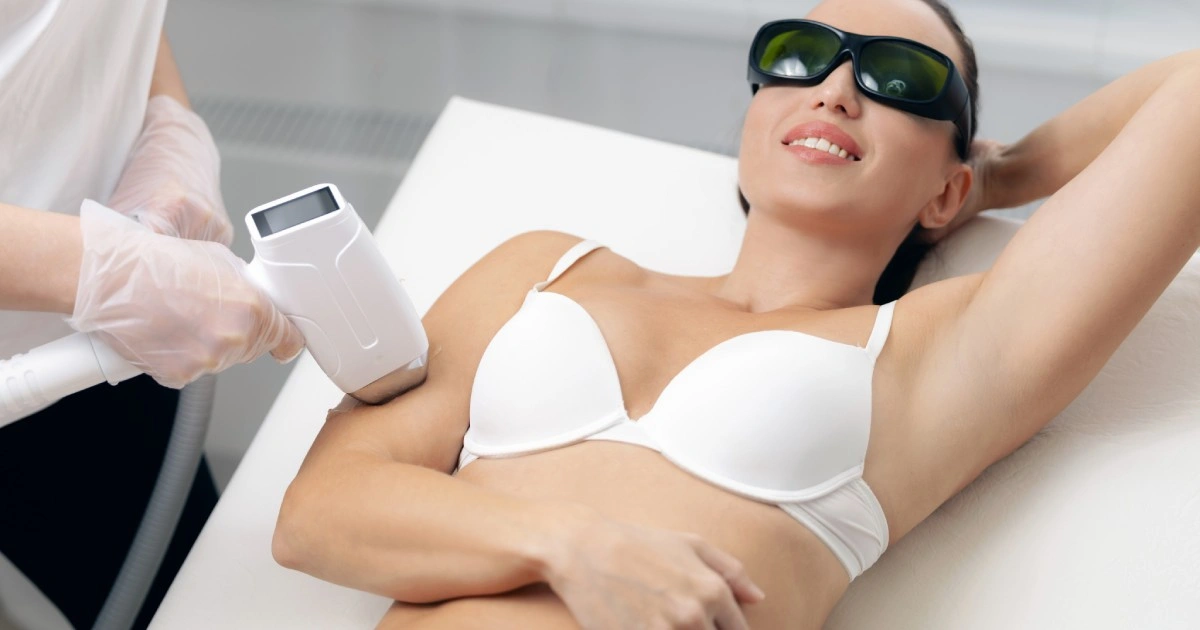
Most cellulite sessions last around 30 to 60 minutes depending on how many areas are treated. Depending on the technique used, you may feel warmth, gentle pressure, suction, or a light massage-like sensation. Many people describe the experience as comfortable and easy to tolerate.
Downtime and Recovery
There is usually little to no downtime. Some mild redness, swelling, or tenderness can occur, especially after more intensive treatments, but these effects typically fade quickly. Most patients return to normal activity the same day.
When Results Show, and How Long They Last
Cellulite improvement takes time because collagen remodeling is gradual. Many patients start seeing changes within three to six weeks, with continued improvement as sessions progress.
Results can last several months, and maintenance sessions may be recommended depending on lifestyle, skin aging, and how your body responds.
Smooth Skin Through Science-Based Solutions
Understanding cellulite science explains why it’s so common and why simple solutions don’t work. The structural nature of cellulite – fibrous bands, fat cell arrangement, and skin quality – requires treatments that address these specific components rather than just surface-level approaches.
Modern technology targeting the actual mechanisms behind cellulite creates visible improvements that creams, exercises, and weight loss alone can’t achieve. Addressing the root structural causes rather than just symptoms makes the difference between temporary masking and actual improvement.
Say goodbye to cellulite – book now for cellulite reduction at inSPAration Aesthetics & Wellness. The team uses advanced treatments that target the fibrous bands, fat distribution, and skin quality, causing a dimpled appearance for real, visible improvements in texture and smoothness.