Table of Contents
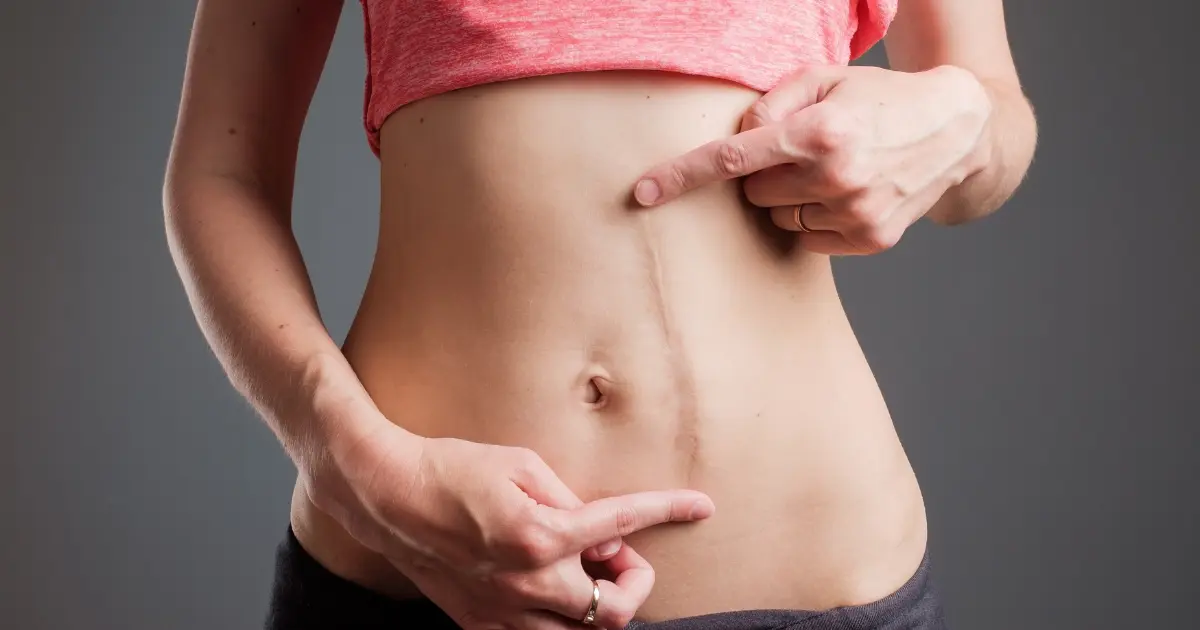
Scars can be a reminder of the past, caused by acne, surgery, or injuries. They often leave people wishing their skin looked smoother and more even. While topical creams and home remedies may bring minor improvements, they rarely deliver the lasting results people hope for.
Scar revision includes a variety of treatment techniques designed to improve the appearance of scars by softening their texture, reducing discoloration, and helping them blend more naturally with the surrounding skin. Depending on the type of scar, different approaches may be recommended. Below, we’ll explore how scar revision works, the most common treatment options, what to expect during the process, and who may benefit from these procedures.
What Can Scar Revision Do?
Scar revision is all about blending scars with the surrounding skin so they no longer stand out. It doesn’t completely erase scars, but it can significantly improve their visibility, texture, and color. Thanks to modern techniques, scar treatment options are now more effective and less invasive than ever.
The right method depends on the scar type. Some scars are indented, others are raised, and some are discolored. Acne scars, surgical scars, hypertrophic scars, and keloids each require a slightly different approach. With a personalized treatment plan, many people can achieve noticeable improvement without major surgery or lengthy recovery times.
Microneedling for Acne Scars
Microneedling is one of the most effective and widely used treatments for acne scar revision. The procedure uses a device equipped with very fine needles to create controlled micro-injuries in the skin. These tiny punctures trigger the body’s natural healing process, which boosts collagen and elastin production. Over time, this added support helps plump up indented scars, smooth rough textures, and restore a more even tone.
Patients often notice subtle changes after their first session, with more significant results appearing after multiple treatments. The process is generally well-tolerated, especially when numbing cream is used. Recovery is minimal, usually limited to mild redness that fades within a few days. For those struggling with pitted acne scars, microneedling offers a safe and gradual way to restore smoother skin.
Laser Scar Revision
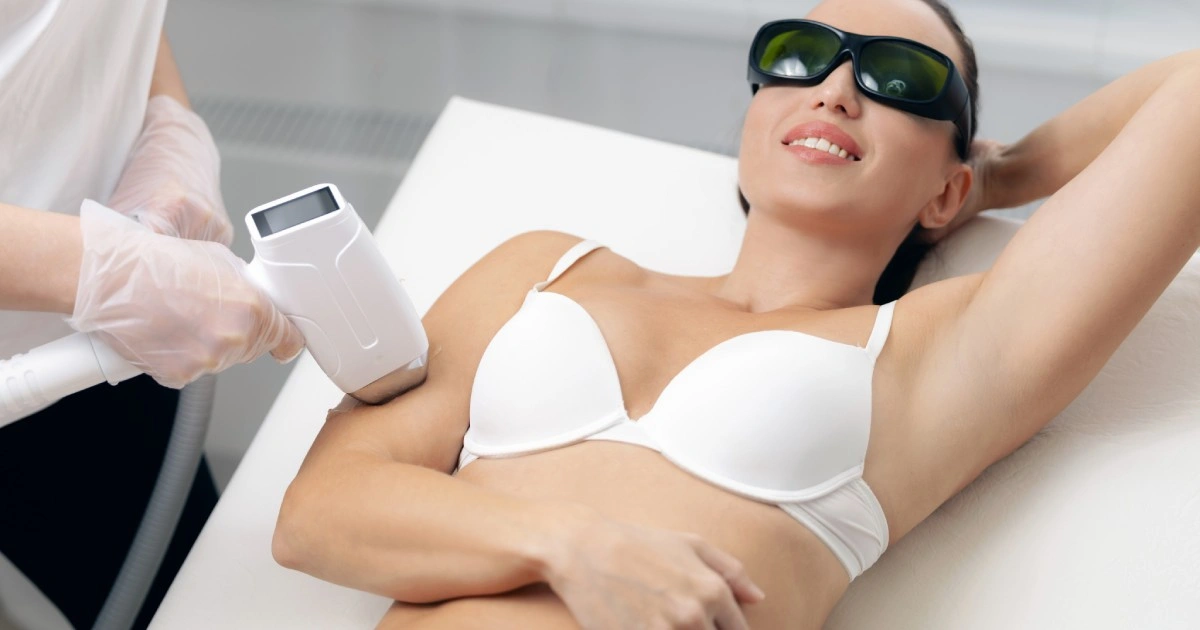
Laser therapy is another powerful option for improving the appearance of deeper or more stubborn scars. The treatment works by directing focused beams of light onto the scar tissue. This energy helps break down damaged skin while stimulating the growth of fresh, healthy skin in its place.
The benefits of laser scar revision go beyond softening the scar’s appearance. It also improves discoloration, blends uneven tones, and stimulates long-term collagen remodeling. Many patients find that surgical scars, acne scars, and even stretch marks respond well to this method. The recovery period usually involves some redness or swelling, but these effects fade quickly as the skin begins to regenerate.
Chemical Peels for Acne Scars
Chemical peels are particularly useful for mild to moderate acne scars. A chemical solution that exfoliates the skin’s damaged outer layer is applied during treatment. This controlled peeling process allows new skin to emerge, which is typically smoother, brighter, and more even in tone.
While chemical peels are often thought of as cosmetic treatments for glowing skin, they also play an important role in acne scar revision. Lighter peels can refresh the skin with minimal downtime, while deeper peels target more stubborn scars. Patients may experience some peeling and sensitivity afterward, but these effects are temporary and part of the natural healing process. Over time, chemical peels help soften shallow scars and refine skin texture.
Subcision for Deep Scars
A puckered appearance can develop when fibrous bands of tissue pull the skin downward beneath certain acne scars, especially rolling or tethered scars. Subcision is designed to address this issue directly. During the procedure, a needle is carefully inserted beneath the scar to release these bands. Once released, the skin can gradually lift, creating a smoother surface.
Subcision often provides immediate improvement, with continued progress as the body forms new collagen in the treated area. While mild bruising or swelling may occur afterward, these side effects typically resolve within days. For patients dealing with deep, pitted scars that don’t respond well to other treatments, subcision is often considered an effective option.
Hypertrophic Scar Treatment
When the body produces excess collagen during healing, it can create a raised scar known as a hypertrophic scar that remains within the original wound’s borders. These scars often feel firm, appear reddish, and may sometimes be uncomfortable. Although they can gradually flatten over time, treatment may help improve their appearance more quickly.
Treatment options for hypertrophic scars include laser therapy to smooth the scar and reduce redness, along with steroid injections that help soften the tissue. In some cases, microneedling combined with topical therapies may further improve skin texture. By targeting excess collagen and supporting a more balanced healing response, these approaches can significantly reduce the visibility of hypertrophic scars.
Keloid Scar Treatment
Keloids are similar to hypertrophic scars but tend to be more aggressive. They extend beyond the original wound and often become thick, firm, itchy, or even painful. While they can be more challenging to treat, several scar revision techniques have shown positive results.
Treatment options may include corticosteroid injections to shrink the scar, laser therapy to improve its texture, or a combination of both. The primary goal is to flatten the scar, reduce irritation, and improve its overall appearance. With appropriate treatment, many people experience noticeable improvement in both comfort and confidence.
Who Are the Ideal Candidates for Scar Revision?
Not everyone needs professional scar revision, but it may be a suitable option for people with visible acne scars, surgical scars, or injury-related marks that haven’t improved with topical products. Good overall health and realistic expectations are important when considering any scar treatment.
It’s also helpful to understand that while scars cannot be completely removed, many treatment methods can significantly reduce their appearance and help them blend more naturally with surrounding skin. Individuals who follow recommended treatment plans and aftercare instructions generally experience the best outcomes.
What to Expect During Treatment
Every scar revision procedure is tailored to the type of scar being treated.
Before treatment begins, a provider will review your medical history, examine the scar, and recommend the most appropriate approach.
Depending on the treatment selected, methods such as microneedling, laser therapy, chemical peels, or subcision may be performed, often with a numbing agent to improve comfort. Most sessions last between 30 and 60 minutes.
Following treatment, mild redness, swelling, or sensitivity is common and typically resolves within a few days. Recovery varies based on the procedure, but many people are able to return to their normal activities shortly afterward.
Understanding Your Scar Treatment Options
Acne scars, surgical scars, hypertrophic scars, and keloids can each respond differently to treatment, making a personalized approach important. Learning about the available scar revision techniques can help you better understand which options may be appropriate based on your scar type, skin condition, and treatment goals.
If you’re considering scar treatment, consulting with a qualified medical professional can help determine the most suitable approach for your individual needs.