Many treatments promise miraculous results but often must catch up in seeking youthful, radiant skin. PRP (Platelet-Rich Plasma) therapy—a revolutionary, natural solution is taking the beauty world by storm. If you’re seeking a treatment that harnesses your body’s innate healing power, PRP might be the answer you’ve been waiting for. Let’s dive deep into how PRP can help you achieve smooth, rejuvenated skin, offering a modern, practical approach to skincare.
What is PRP Treatment?
A non-surgical method called platelet-rich plasma (PRP) treatment can revitalize your skin by using your blood’s healing capabilities. PRP therapy produces smoother, younger-looking skin by extracting platelet-rich plasma from your blood and injecting it into specific regions. This process encourages the creation of collagen and tissue regeneration.
The Science Behind PRP: Harnessing Your Body’s Healing Power
PRP therapy leverages the growth factors and proteins in your blood. Here’s a breakdown of the process:
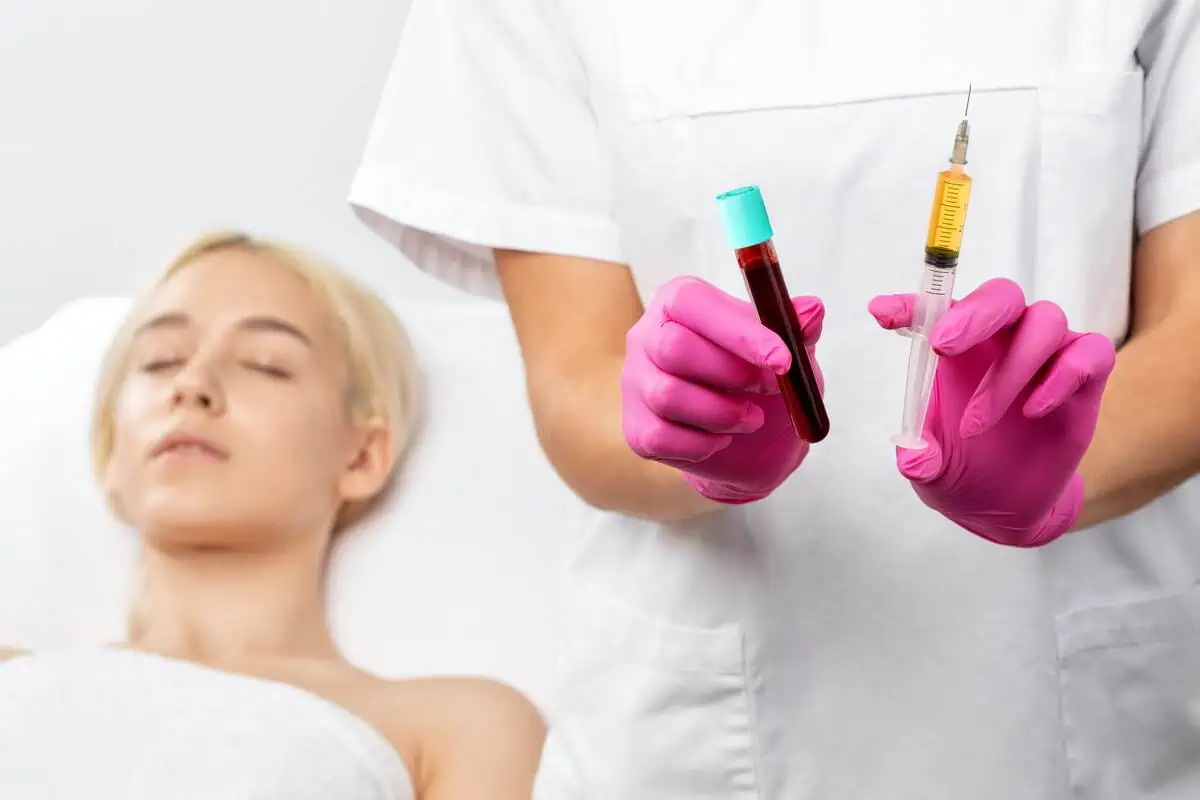
- Blood Draw: A small amount of blood is drawn from your arm, similar to a routine blood test.
- Centrifugation: After that, the blood is centrifuged and spun quickly to separate the platelets from the red blood cells and other constituents.
- Extraction: The concentrated platelet-rich plasma is extracted for use.
- Injection: The PRP is injected into the skin, targeting areas that need rejuvenation.
These platelets release growth factors that trigger cell proliferation, collagen production, and tissue regeneration, addressing various skin concerns from wrinkles to scars.
The Benefits of PRP Treatment
Natural and Safe
PRP treatment is derived from your blood, minimizing the risk of allergic reactions or adverse side effects. It’s a natural solution that works harmoniously with your body. This innovative approach utilizes the body’s own growth factors to stimulate cellular repair and regeneration, offering a holistic path to healthier, rejuvenated skin.
Non-Invasive with Minimal Downtime
Unlike surgical procedures, PRP therapy is non-invasive and involves only injections. This means minimal downtime, allowing you to return to your daily activities quickly. Additionally, since the treatment uses your body’s natural components, the recovery process is typically smoother and more predictable, further enhancing its appeal as a convenient skincare option.
Versatile and Effective
PRP can treat various skin issues, including fine lines, wrinkles, acne scars, hyperpigmentation, and uneven skin tone. It’s a versatile treatment tailored to your unique skincare needs.
The PRP Treatment Process: What to Expect
Consultation and Assessment
Your PRP journey begins with a thorough consultation with a qualified dermatologist or aesthetician. They will examine your skin, discuss your worries, and decide if PRP is the best action.
Preparation
On the day of the procedure, a small amount of blood will be drawn from your arm. This process is quick and relatively painless. The collected blood is then prepared to isolate the platelet-rich plasma, ensuring the highest concentration of growth factors for optimal skin rejuvenation.
PRP Extraction
The blood is placed in a centrifuge, which spins it to separate the platelet-rich plasma. This process typically takes about 10-15 minutes.
PRP Injection
The extracted PRP is then injected into the targeted skin regions. Although the injection might cause slight discomfort, it is generally well-tolerated.
Post-Treatment Care
After the treatment, you might have some moderate swelling or redness, but these side effects usually go away in a few hours. Your dermatologist will provide aftercare instructions to ensure optimal results.
Actual Results: Transformations with PRP
PRP therapy has helped many people see noticeable improvements in skin appearance. Here are a few typical changes:
Smoother Skin Texture
PRP stimulates collagen production, resulting in smoother, more refined skin texture. Fine lines and wrinkles lessen, leaving your skin looking younger.
Enhanced Radiance
The regenerative properties of PRP promote healthy skin cell turnover, enhancing your skin’s natural radiance. Say goodbye to dull, tired-looking skin.
Reduced Scarring
PRP can significantly reduce the appearance of acne scars and other types of scarring. The growth factors in PRP promote healing and tissue regeneration, leading to smoother, more even-toned skin.
Improved Skin Tone
PRP helps even out skin tone, reducing hyperpigmentation and other discolorations. You’ll notice a more uniform complexion with a healthy, vibrant look.
Who Can Benefit from PRP Treatment?
PRP treatment is suitable for a wide range of individuals. PRP can effectively address specific skin concerns or want to maintain a youthful appearance. Ideal candidates include:
- Individuals with Early Signs of Aging: PRP can boost collagen in fine lines, wrinkles, and sagging skin.
- For those with Acne Scars or Hyperpigmentation, PRP can help reduce the appearance of scars and even skin tone.
- People Seeking Natural, Non-InvasiveNon-Invasive Treatments: PRP is an excellent choice if you prefer natural treatments with minimal downtime.
Combining PRP with Other Treatments
For enhanced results, PRP can be combined with other skincare treatments. Some popular combinations include:
PRP with Microneedling
With microneedling, microscopic punctures are made in the skin to promote collagen formation. When combined with PRP, the growth factors penetrate deeper, amplifying the rejuvenating effects.
PRP with Laser Therapy
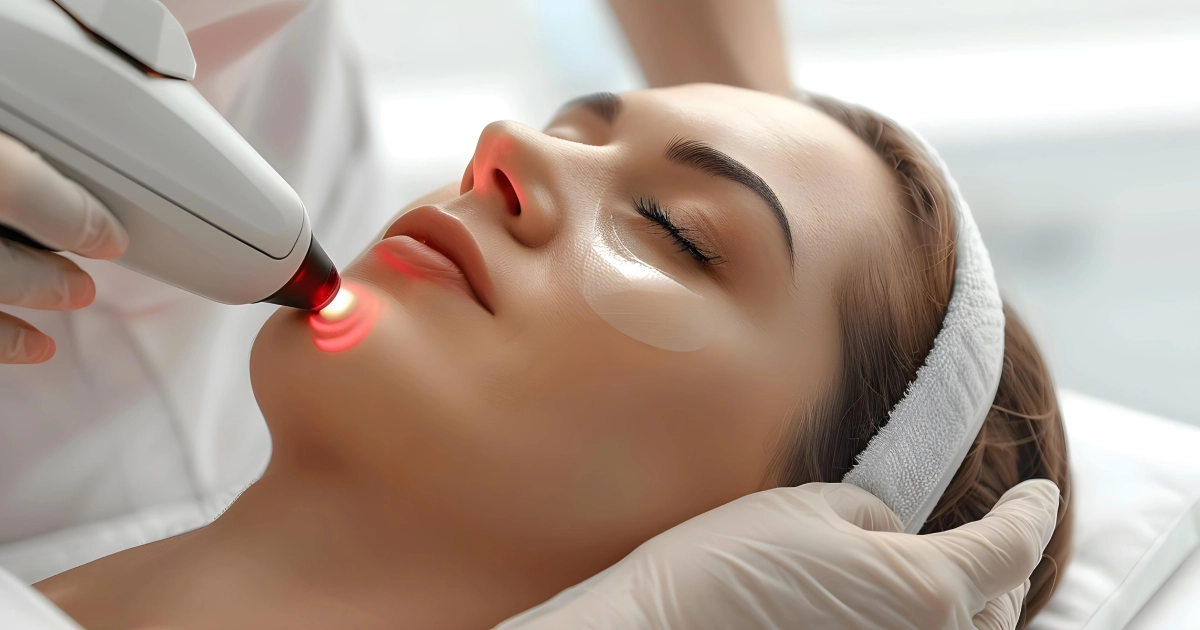
Laser treatments can address specific skin issues, such as pigmentation and texture. Adding PRP accelerates healing and enhances overall results.
Choosing the Right Provider: Ensuring Safe and Effective Treatment
Selecting a qualified provider is crucial for a safe and successful PRP treatment. Here are some tips to find the right professional:
Check Credentials and Experience
Ensure your provider is a licensed dermatologist or aesthetician with experience in PRP therapy. Look for reviews and before-and-after photos of previous clients.
Ask About the Process
A reputable provider will explain the PRP process, including the centrifugation and injection techniques they use. They should also discuss potential risks and benefits.
Personalized Consultation
Select a specialist who provides a comprehensive consultation to evaluate your skin and discuss your objectives. Personalized attention is essential to achieving the most significant outcomes.
Frequently Asked Questions About PRP Treatment
How Long Does PRP Treatment Take?
The entire PRP process, from blood draw to injection, typically takes 45 minutes to an hour.
Is PRP Treatment Painful?
Patients are generally not too uncomfortable during the procedure. Applying topical numbing cream might lessen any pain.
How Many Sessions Do I Need?
The number of sessions or treatments varies depending on your skin concerns and goals. Generally, 3-4 sessions spaced a month apart are recommended for optimal results.
When Will I See the Results?
Results from PRP treatment can be seen within a few weeks, with improvements continuing over several months as collagen production increases.
Are There Any Side Effects?
Since PRP treatment uses blood, it has minimal side effects. Mild redness, swelling, or bruising at the injection site are common but typically resolve quickly.
Takeaway
Discover the transformative power of PRP (Platelet-Rich Plasma) therapy at inSPAration Aesthetics & Wellness. Our cutting-edge treatment harnesses your body’s natural healing properties to rejuvenate and revitalize your skin, offering a non-invasive-invasive, safe, and effective solution for achieving a smoother, youthful complexion. At inSPAration, we blend advanced techniques with personalized care to deliver exceptional results, helping you unlock your skin’s potential. Contact us and embrace a radiant, revitalized you—experience the future of skincare today with PRP at inSPAration Aesthetics & Wellness.