Table of Contents
Hyperpigmentation is one of the most common skin concerns affecting people of all skin tones and skin types. It occurs when certain areas of the skin produce more melanin than usual, resulting in patches or spots that appear darker than the surrounding skin. Although hyperpigmentation is generally harmless, understanding why it develops and the different treatment approaches available can help individuals make informed decisions about managing uneven skin tone.
This guide explains the common causes of hyperpigmentation, the different types of pigmentation changes, and the treatment options frequently recommended by skincare professionals.
What Is Hyperpigmentation?
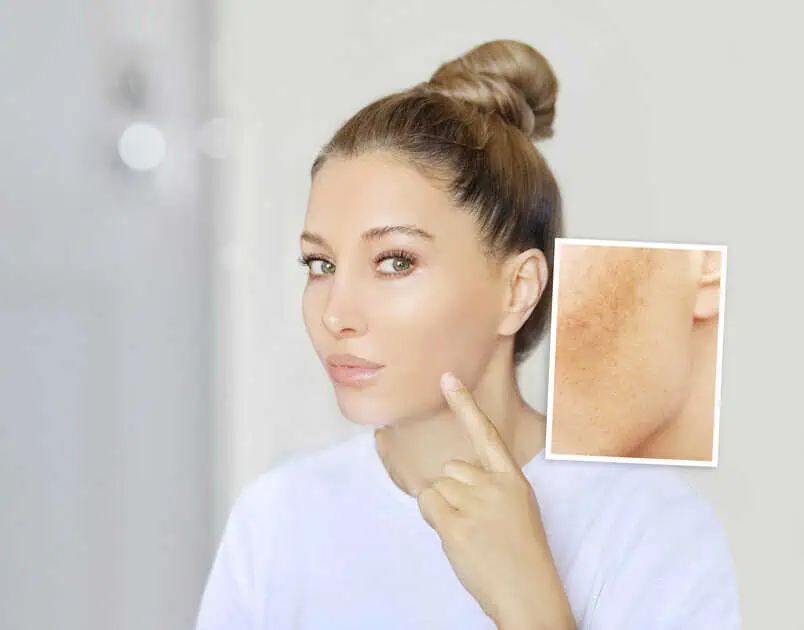
Hyperpigmentation refers to areas of the skin that become darker due to excess melanin production. Melanin is the natural pigment responsible for skin, hair, and eye color. When melanin production increases in one area, discoloration can develop.
Common signs of hyperpigmentation include:
- Brown, black, or gray spots or patches
- Uneven skin tone
- Discoloration on the face or body
- Marks that remain after acne or skin irritation
While hyperpigmentation itself is not usually harmful, identifying the underlying cause is important because different types respond differently to treatment.
What Causes Hyperpigmentation?
Several factors can contribute to excess melanin production.
Sun Exposure
Ultraviolet (UV) radiation is one of the most common causes of hyperpigmentation. Frequent sun exposure stimulates melanin production as the skin attempts to protect itself, which may eventually lead to visible dark spots.
Hormonal Changes
Hormonal fluctuations can trigger melasma, a common type of hyperpigmentation that often appears on the forehead, cheeks, nose, and upper lip. Pregnancy and certain hormonal medications are frequently associated with this condition.
Post-Inflammatory Hyperpigmentation
After acne, eczema, burns, insect bites, or other skin injuries heal, dark marks may remain. This condition is known as post-inflammatory hyperpigmentation (PIH) and can affect individuals of all skin tones.
Skin Irritation or Trauma
Repeated irritation caused by harsh skincare products, excessive exfoliation, cosmetic procedures, or minor injuries may also stimulate additional melanin production during the healing process.
Common Types of Hyperpigmentation
Understanding the different forms of hyperpigmentation helps explain why treatment recommendations vary.
Melasma
Melasma appears as larger patches of discoloration, most commonly on the face. Hormonal changes are believed to play a significant role in its development.
Sunspots
Also called solar lentigines or age spots, sunspots develop gradually after years of ultraviolet exposure and commonly appear on areas frequently exposed to sunlight.
Post-Inflammatory Hyperpigmentation
PIH develops after inflammation or injury to the skin. Acne is one of the most common causes, although many other skin conditions can also lead to these dark marks.
Freckles
Freckles are small pigment spots that are largely genetic but often become darker with continued sun exposure.
How Is Hyperpigmentation Evaluated?
Before recommending a treatment approach, skincare professionals typically evaluate several factors, including:
- The underlying cause of pigmentation
- Skin tone and skin type
- The depth of pigment within the skin
- The size and location of discoloration
- Previous skincare treatments or procedures
A thorough assessment helps determine which treatment options may be most appropriate.
Common Treatment Approaches
Treatment recommendations depend on the type of pigmentation, its severity, and individual skin characteristics.
Chemical Peels
Chemical peels use carefully selected exfoliating acids to remove damaged outer skin layers and encourage healthier skin cell turnover. This process may gradually improve the appearance of uneven pigmentation.
Chemical peels are commonly used for:
- Mild sun damage
- Uneven skin tone
- Post-inflammatory pigmentation
Laser-Based Treatments
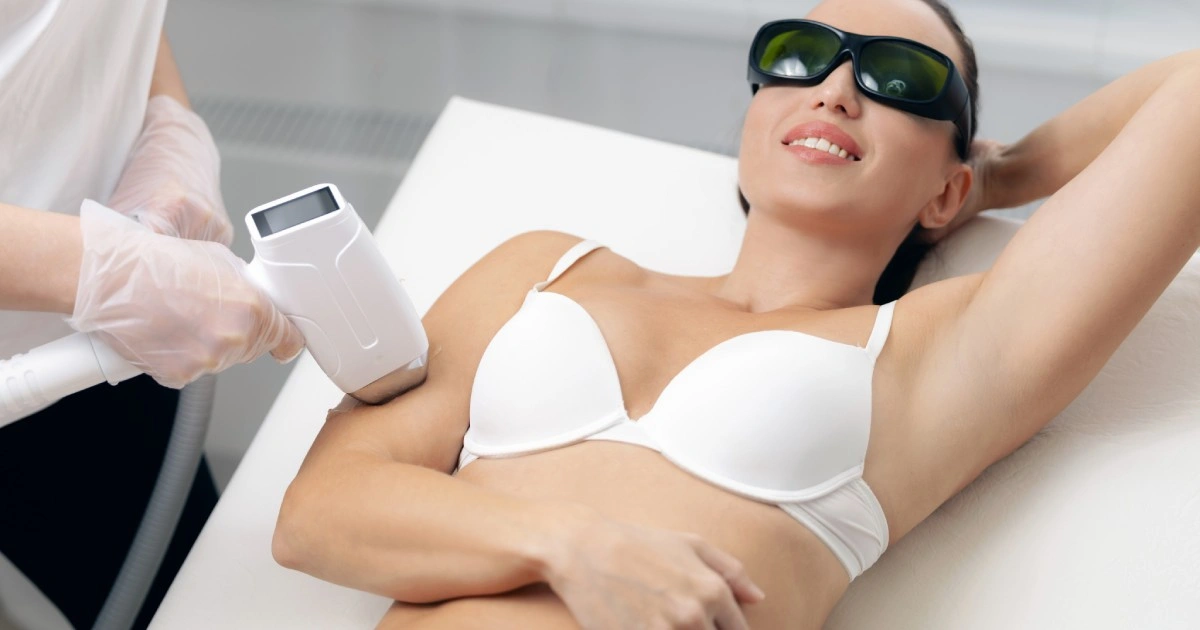
Laser technology targets excess pigment using concentrated light energy. Over time, the body naturally clears the treated pigment while healthy skin remains intact.
Laser selection varies depending on pigment depth, skin tone, and treatment goals.
Microneedling
Microneedling creates controlled microchannels within the skin to stimulate the body’s natural repair process. It may also improve overall skin texture while enhancing the absorption of topical skincare products.
Topical Skincare Products
Certain skincare ingredients may gradually improve discoloration with consistent use.
Common ingredients include:
- Vitamin C
- Niacinamide
- Retinoids
- Azelaic acid
- Hydroquinone under professional supervision
Results often develop gradually over several weeks or months.
Combination Treatment Plans
In some situations, multiple treatment approaches may be recommended together. Professional procedures combined with an appropriate skincare routine may provide more comprehensive improvement depending on the underlying cause of pigmentation.
Can Hyperpigmentation Be Prevented?
Although not every form of hyperpigmentation can be prevented, several daily habits may reduce the likelihood of developing new discoloration.
Helpful preventive measures include:
- Applying broad-spectrum sunscreen every day
- Limiting excessive sun exposure
- Treating acne early
- Avoiding picking at the skin
- Following a consistent skincare routine
Sun protection remains one of the most important steps for maintaining even skin tone and preventing existing pigmentation from becoming darker.
Frequently Asked Questions
Does hyperpigmentation disappear on its own?
Some forms of hyperpigmentation may gradually fade over time, while others can persist for months or even years without treatment.
How long does improvement usually take?
The timeline varies depending on the cause, treatment method, skin type, and consistency with skincare. Some people notice improvement within several weeks, while others require multiple months.
Is hyperpigmentation permanent?
Not necessarily. Many forms of pigmentation become less noticeable with appropriate treatment and consistent sun protection.
Are all dark spots caused by the same condition?
No. Dark spots may result from sun damage, hormonal changes, inflammation, aging, genetics, or skin injury. Proper evaluation helps determine the underlying cause.
Final Thoughts
Hyperpigmentation is a common skin concern with many possible causes, including sun exposure, hormonal changes, inflammation, and skin injury. Because different forms of pigmentation respond differently to treatment, understanding the underlying cause is an important step in selecting an appropriate approach. Professional procedures, topical skincare products, and daily sun protection may all contribute to improving uneven skin tone over time.
If you would like to learn more about available hyperpigmentation treatment options for your specific skin concerns, consulting a qualified skincare professional can help determine the most appropriate approach based on your individual needs.